
1.1 Overview and goals of the report
Sustainability is increasingly integral to supply chain management as companies encounter demands from government agencies to minimise environmental effects. Current supply chain operations across various nations are connected to, and entirely dependent on, intricate networks of suppliers, manufacturers, distributors, and retailers (Abualigah et al., 2023). Unilever has been chosen in this instance to examine its vast international supply chain operations.
1.2 Idea of sustainable supply chain management
Sustainable supply chain management refers to incorporating environmental, social, and economic aspects into the administration of supply chain functions, such as sourcing, production, transportation, and distribution (Siems et al., 2023). Sustainability within the supply chain requires organisations to harmonize their environmental and social goals with economic actions that work together to reach long-term objectives. There is a necessity to oversee the movement of materials, information, and capital while operating within environmental and social supply chain networks. The triple bottom line framework assists businesses in addressing various elements of sustainable supply chain management by taking into account people, planet, and profit. Sustainable supply chain management aligns with the circular economy principle, promoting responsible sourcing and ensuring stakeholder accountability (Kumar et al., 2023). For Unilever, sustainability must take into account not only its manufacturing sites but also agricultural suppliers, packaging manufacturers, and logistics partners. Consequently, efficient sustainable supply chain management relies on quantifiable performance objectives and collaboration with suppliers.
1.3 Development of sustainability in supply chains
The idea of sustainability in supply chain management has shifted from a limited emphasis on cost efficiency and operational performance to a more holistic approach (Theeraworawit et al., 2022). It emphasises the safeguarding of the environment, commitment to social responsibility, and sustainable economic practices. In many instances, organizations emphasized procurement expenses, production effectiveness, and product excellence to uphold sustainability. Nonetheless, it became insignificant with the expanding business landscape, as sustainability within the supply chain is a vital measure for the organisation to achieve its business objectives in the desired market. Environmental consciousness, stakeholder demands, and regulatory pressures are significant challenges for organisations in the early 1990s and 2000s. Concerns regarding climate change, international sustainability frameworks, and digital transformation are closely linked to supply chain operations (Alkaraan et al., 2025). Currently, companies extensively utilise data analytics to track supplier performance and assess emissions. For Unilever, this assessment shows that sustainability needs to reach beyond its factories to encompass agricultural sourcing.
1.4 Unilever's business and sustainability approach
1.4 Unilever's business and sustainability approach
Case analysis: “Eliminating plastic pollution via reduction, circulation, and cooperation”
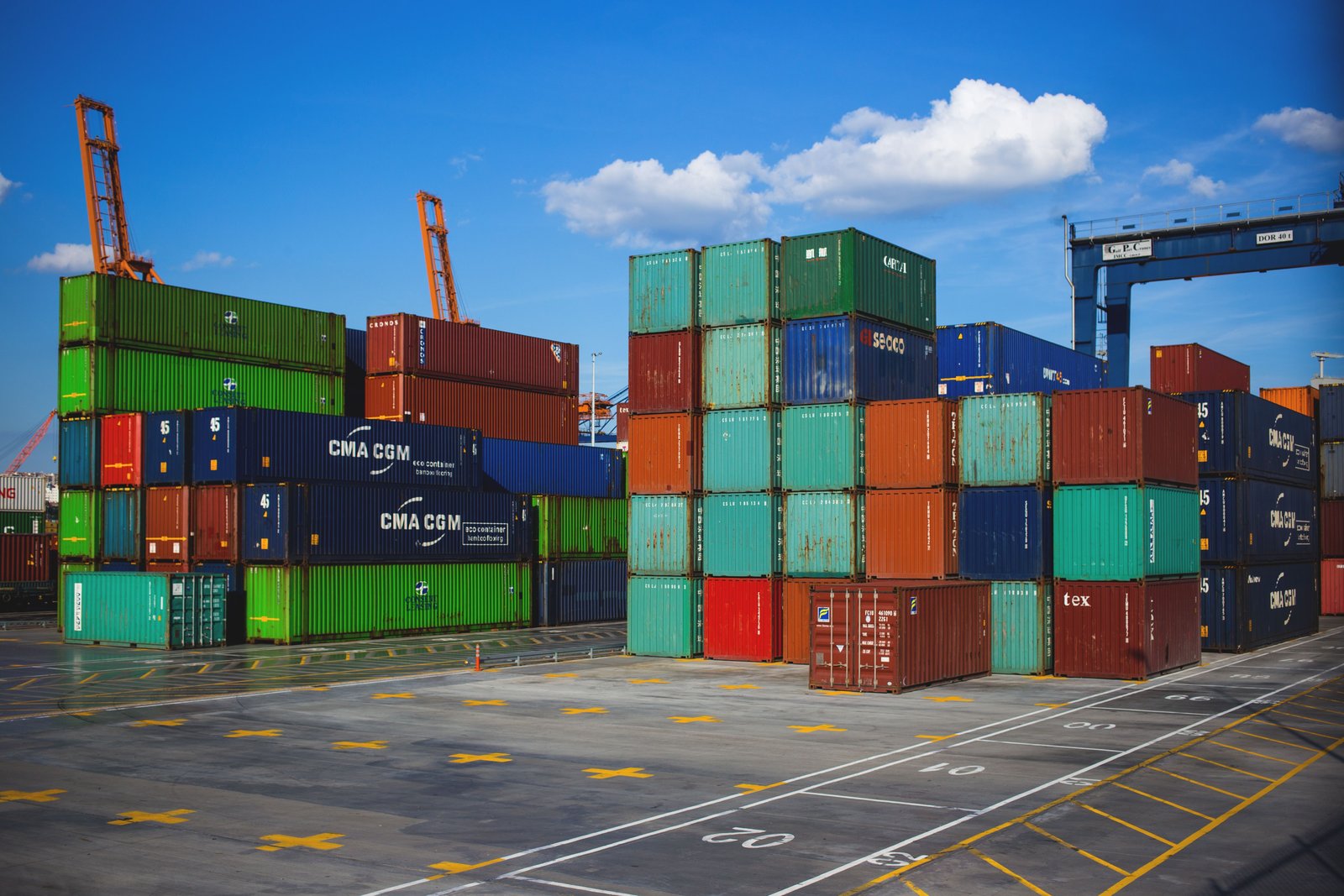
Unilever aims to decrease plastic consumption by 30% by 2026 and by 40% by 2028. The goal of the organisation is to reduce plastic waste (Unilever.com, 2025). Consequently, it has substituted it with entirely biodegradable packaging for reusable and recyclable logistics management. Conversely, Unilever has obtained tea for its well-known brand Lipton from farms certified by the Rainforest Alliance. It examines how the organisation incorporates sustainable farming into its procurement approach. It has worked directly with farmers and suppliers to produce tea organically (Yadav et al., 2024). Unilever adheres to a streamlined sustainable supply chain management for its conscientious sourcing and supplier interaction. CSR plays a crucial role in sustainable agriculture and accountability to stakeholders. Conversely, the triple bottom line connects to the strategy since environmental sustainability, farmers' welfare, and business results are closely tied to the organisation.
Unilever is a global corporation, and its sustainability strategy is a key component of its business operations (Unilever.com, 2025). The organization specializes in personal care, beauty and wellness, household products, and food goods. As a result, the business strategy has concentrated on developing strong brands and enhancing market presence. Sustainability is a crucial strategic factor for the organisation to oversee its operations involving agricultural raw materials, energy, and water. In addition to that, sustainability strategy is crucial for packaging, transportation, and the development of the global supply chain network (Unilever.com, 2026). In the 2025 annual report, Unilever has evaluated its strategy and sustainability efforts. The organisation has concentrated on a strategic framework by taking essential factors into account. For example, individuals, the environment, and earnings. Unilever has emphasised establishing a robust consumer brand and has concentrated on quality and innovation in its products.
1.5 Corporate Social Responsibility and the Triple Bottom Line
Corporate social responsibility and the triple bottom line are vital elements for global companies such as Unilever. For multinational companies such as Unilever, these ideas are useful for sourcing agricultural inputs and assessing production sites. The triple bottom line highlights three aspects: people, planet, and profit (Shekarian et al., 2022). Unilever must uphold its operations by concentrating on these three elements to ensure a sustainable business. Conversely, CSR pertains to the obligations of companies. Larger organizations emphasize social, environmental, and ethical considerations. Economic accountability is a crucial aspect for companies such as Unilever. Nonetheless, legal and ethical aspects are just as crucial for upholding corporate social responsibility (Mahmood et al., 2025). Conversely, the organization emphasizes a people-centred strategy to promote equality within the community. A significant investment is made in the infrastructure initiative that protects the environment and aids Unilever in its business activities.

Sección 2: Critical sustainability audit
2.1 Framework of the supply chain and sustainability challenges
Obtaining raw materials:
The business's supply chain framework is linked to raw material procurement, supplier oversight, and production, all of which are vital elements for supply chain operations (Mugoni et al., 2024). The organisation relies significantly on agricultural suppliers, farmers, packaging manufacturers, and logistics providers, which are essential for upholding an effective and sustainable supply chain. Unilever has minimised plastic waste by substituting the packaging with eco-friendly materials. In addition to that, raw material acquisition is an aspect of the supply chain framework where tea, palm oil, and various plant-based components are sourced directly from farmers.
Collaboration with suppliers and farming output
Supplier involvement and farming output. Unilever collaborates with various suppliers and farmers for ethical sourcing. Consequently, the organisation has adopted this strategy to lessen environmental effects and enhance traceability.
Production and packaging:
Manufacturing plants alter the raw material supply chain process, which benefits business operations and final consumer products. Decisions on packaging are crucial for addressing the problems related to plastic packaging, as they can lead to pollution and depletion of resources (Hmouda et al., 2024). Recycled materials are utilised in the packaging process to reduce environmental problems. In addition, using sustainable materials for packaging reduces waste and has a beneficial effect on supply chain operations.
2.2 Governance, accountability and ethical sourcing
Management
Governance is crucial in global sustainable supply chain management, as Unilever implements strategic organisational policies and adheres to relevant standards. The governance structure aids the organisation in adhering to environmental conservation, human rights, and ethical practices in its operational activities (Khan et al., 2022). For agricultural sourcing, Unilever establishes a distinct guideline that fulfils sustainability criteria in its supply chain operations. It aids the company by reducing environmental problems in the supply chain and guaranteeing responsible sourcing. Conversely, labour standards effectively help achieve accountability measures.
Responsibility
Accountability reflects Unilever’s responsibility to show whether it has fulfilled its sustainability commitment or not. It includes establishing quantifiable goals and tracking supplier performance (Kuwornu et al., 2023). The organisation must guarantee that its environmental obligations are adhered to properly. Supplier evaluations, sustainability reviews, and complaint processes are associated with supply chain operations. The relevant departments are responsible for their actions in procuring materials.
Supplier evaluations, sustainability reviews, and complaint processes are correctly identified. Consequently, transparent reporting allows stakeholders to assess organisational performance considering sustainability aspects (Stroumpoulis and Kopanaki, 2022). Nonetheless, accountability can be difficult for Unilever due to its intricate supply chain system that intertwines the responsibilities of various departments.
Ethical Procurement
Ethical sourcing is crucial for the organisation, as it addresses raw material procurement while upholding human rights during supply chain operations (Abualigah et al., 2023). Furthermore, the organisation adheres to a policy of equitable treatment in both the workplace and agricultural production. It gathers plant-derived components to address environmental concerns and sustainability aspects in supply chain management.
2.3 Sustainability audit of the environment
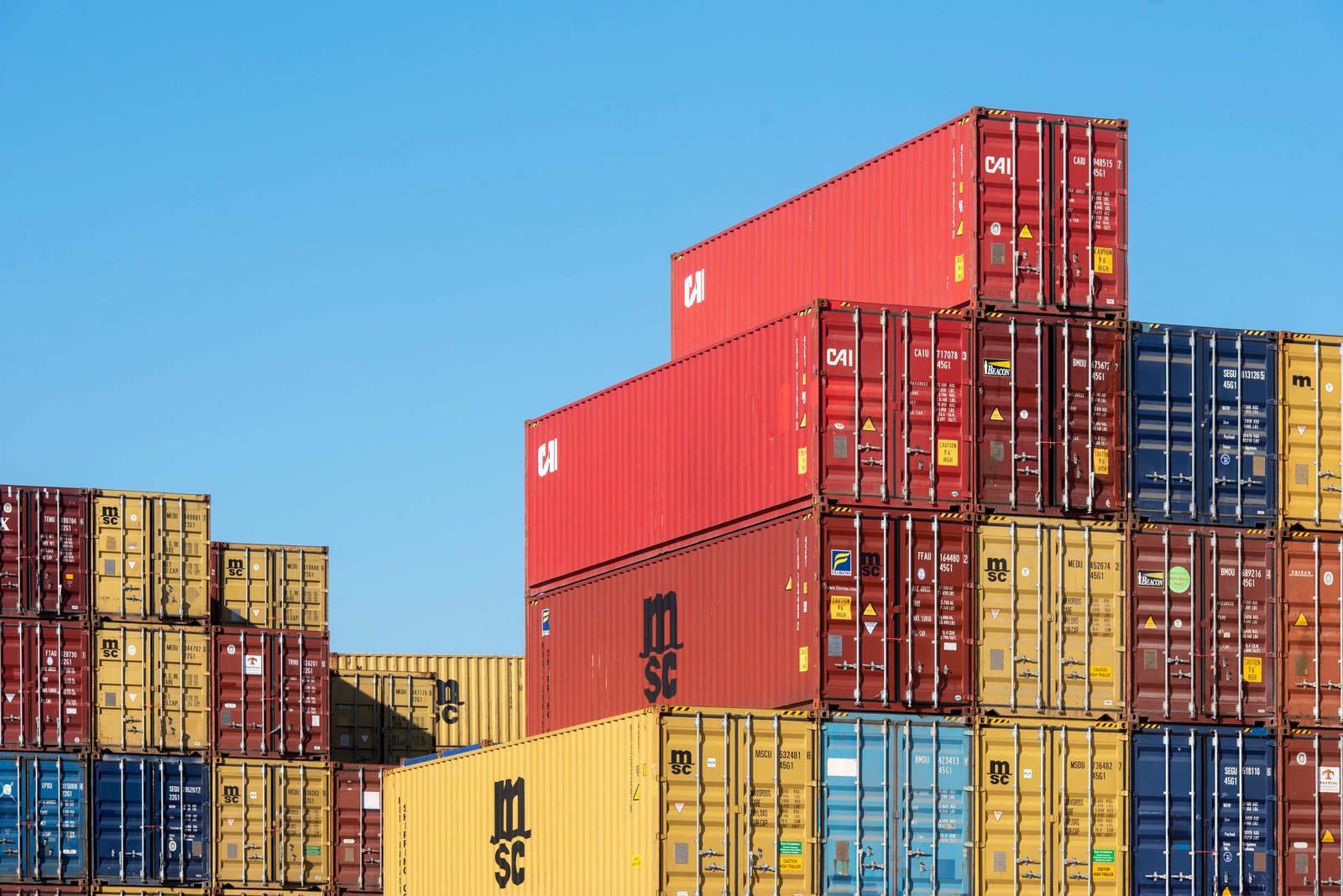
The environmental sustainability assessment examines the effectiveness of Unilever's management of its environmental practices across the supply chain, encompassing raw material procurement, production, packaging, and distribution. The audit highlights resource efficiency, reduction of plastics, emissions of greenhouse gases, and other factors related to biodiversity.
Management of Resources and Plastic Waste
Unilever's packaging approach is vital for auditing environmental sustainability, as plastic waste leads to pollution and resource exhaustion (Alkaraan et al., 2025). The organisation can lessen environmental issues by limiting plastic use and utilising recycled materials. Nevertheless, the success of the plastic reduction initiative must be evaluated using validated information on overall plastic packaging and raw plastic usage. Biodegradable packaging should not be presumed to be better for the environment, as its effects rely on the materials used.
Sustainable Farming and Biodiversity
Unilever's agricultural sourcing approach is integral to environmental sustainability. It adheres to the guidelines concerning biodiversity preservation, soil preservation, and water resource management to alleviate environmental concerns (Yadav et al., 2024). In addition to that, Unilever places a strong emphasis on challenges associated with deforestation and soil degradation. Additionality audits are evaluated in a manner that takes into account certification scope, pesticide control, and biodiversity conservation linked to Unilever's environmental initiatives.
Emissions of Greenhouse Gases and Energy Efficiency
Unilever's environmental impact can be assessed by the emissions produced by its manufacturing facilities. In addition, the logistics and supply chain operations lead to these gas emissions, which are included in auditing (Qu and Kim, 2024). The audit needs to differentiate between direct emissions from company activities and indirect emissions from electricity that is purchased. Possible enhancements involve the use of renewable energy sources and enhancing energy efficiency in manufacturing.
2.4 Recommendations for strategy and execution
Enhance eco-friendly packaging and minimise plastic usage.
Unilever must speed up the overhaul of flexible plastic packaging and boost the incorporation of recycled materials (Unilever.com, 2025). It will be useful for addressing sustainability challenges in supply chain operations. In addition, life cycle assessment is essential for assessing packaging options that reduce plastic waste.
Enhance responsible sourcing and supplier collaboration.
The organisation must enhance the tracking of agricultural raw materials while they are being transported. Vendors must obtain explicit environmental and social criteria that must be adhered to in order to adopt worldwide sustainability standards. Unilever needs to work together with agricultural suppliers, manufacturers, and logistics partners to decrease greenhouse gas emissions during product transportation. There is a requirement for the use of renewable energy, optimisation of transport routes, and application of cutting-edge technology to reduce emissions.
Be the first to comment on this article.