
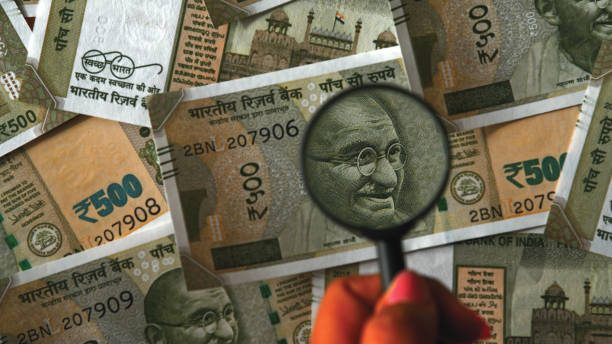
Bank of India has raised the repo rate from 5.25 to 5.5%. It has a direct impact on the overall economy. On 7th October 2026, the Monetary Policy Committee raised the rate by 25 basis points, and the RBI has considered it a calibrated tightening. It indicates that inflation risk is a major problem in the present context that can affect the economic condition. The Indian rupee is falling sharply and it reached close to 97 rupees against one US dollar.
Why is the repo rate significant in this case?
The concept of the repo rate is the rate at which the RBI lends money to commercial banks. The impact of increasing the repo rate is that it becomes expensive for commercial banks to borrow from the central bank. Hence, in case the repo rate increases, funding cost for commercial banks increases, and it directly increases the lending rate, which makes borrowing expensive. In this situation, demand reduces significantly. That positively impacts on controlling inflationary pressure.
RBI has focused on the concern regarding inflationary risk as energy prices increase. According to Reuters, RBI has expected consumer inflation for the next three quarters to be 5.8%, and the GDP growth forecast is 7.1% for the financial year 2027. In this situation, the RBI tries to maintain inflation under control and bring stability in the economy.
RBI has shifted from neutral to calibrated tightening, which is essential in this context to control prices. Apart from that, various significant factors will be considered such as inflation, crude oil price, economic growth, food price, global interest rate, currency movements.

What Happens to Home Loans and Other Borrowing Costs?
The cost of borrowing increases if the repo rate is higher and banks get funds at higher interest rates from central banks. Hence, the RBI rate hike increases the interest rate of home loans, vehicle loans, personal loans, business loans and working capital financing.
What Happens to Bank Deposits and the Stock Market?
If the cost of borrowing is higher, then banks often try to adjust interest rates in certain cases, which include fixed deposits, term deposits, and other interest-bearing deposits related to interest. On the other hand, the stock market performance is related to these activities, as the borrowing cost can increase the financing cost for companies.
Impact on Government Bonds
The bond market is directly affected due to the tightening of the repo rate. 10-year government bonds improve.
What factors businesses need to consider
Businesses need to focus on the interest rate and currency movement. In case a company is working on the domestic market and borrowing from Indian commercial banks, then the cost of finance, then the financing cost is higher, as the banks are providing loans at higher interest rates. In the case of import-export businesses, they need to reconsider the import factor as the value of the currency declines, and they need to pay more to source any material from the outbound market.
So, What Happens Next?
There are different scenarios that can impact the economy due to the rate hike. For instance, the inflation rate could diminish due to the higher interest rate. On the other hand, inflation remains elevated because of persistent energy and food price pressure. However, RBI needs to tighten the repo rate in future. The global macroeconomic environment is relevant in this case.
Excellent work!"..👍🥰